
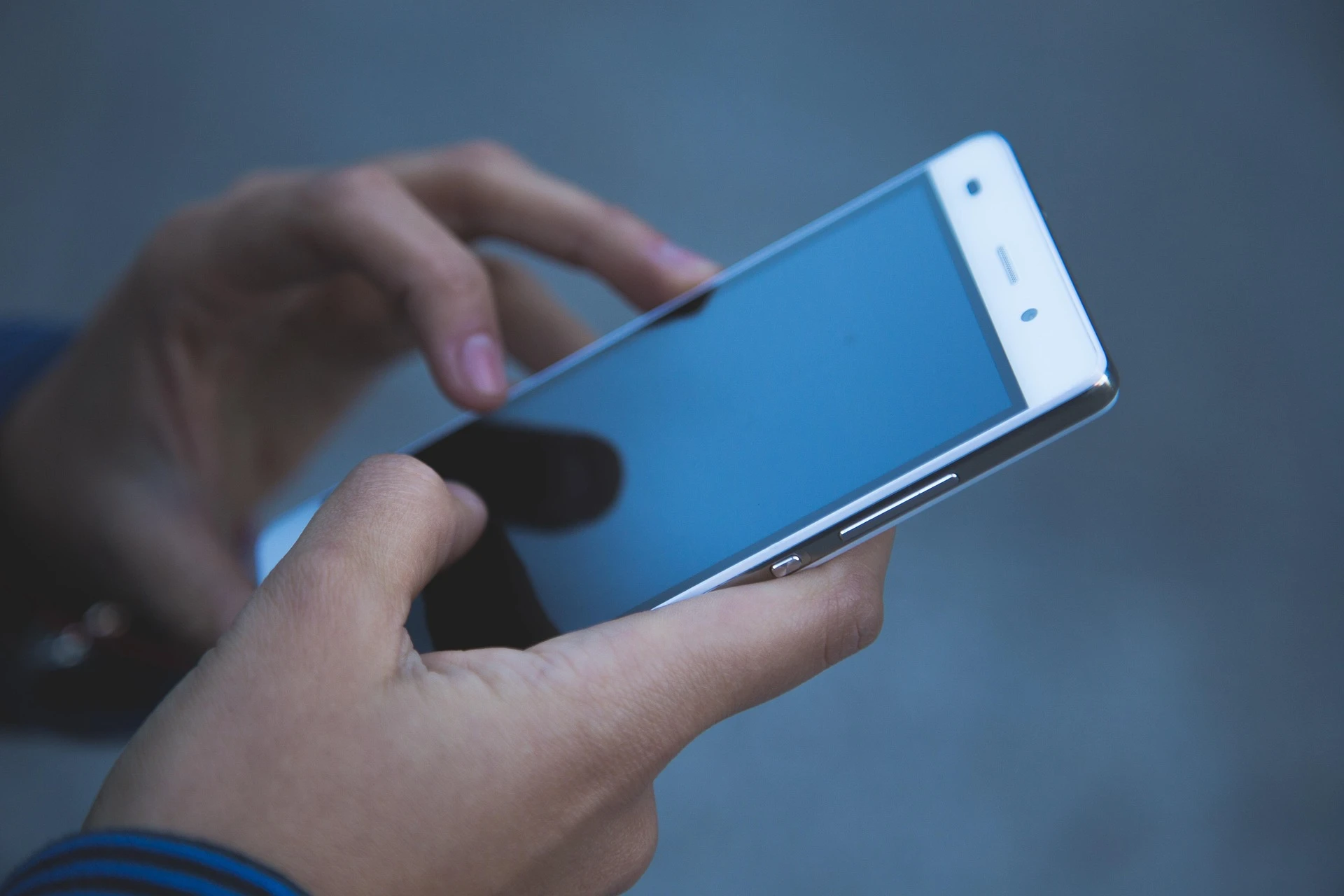
Captioned Phones Explained (2026): How They Work, Best Devices, Apps, Benefits, Costs & Complete Buyer’s Guide
Learn everything about captioned phones in this complete 2026 guide. Discover how they work, best models, apps, costs, benefits, and expert tips for hearing loss users.
For millions of people living with hearing loss, phone conversations can feel frustrating, exhausting, and sometimes even impossible. Missing words, asking others to repeat themselves, and misunderstanding important details can turn even a simple call into a stressful experience.
That’s where captioned phones come in.
These innovative devices combine real-time voice-to-text technology, artificial intelligence (AI), and assistive communication tools to make phone calls clear, accessible, and stress-free. Instead of relying only on hearing, users can read what the other person is saying instantly on a screen, creating a seamless communication experience.
In this complete, expert-level guide, you’ll discover:
- What captioned phones are and how they work
- Their real-life benefits and limitations
- The best captioned phone brands and apps
- Cost, eligibility, and how to get one
- A full comparison and buyer’s guide
- Insider tips most websites don’t tell you
Let’s dive deep into everything you need to know.

What Are Captioned Phones?
A captioned phone is a specialized communication device designed for people with mild to severe hearing loss. It allows users to listen to a conversation while simultaneously reading real-time captions of what the other person is saying.
Key Features:
- Real-time text display
- Voice-to-text transcription
- Adjustable audio levels
- Large, easy-to-read screens
- Hearing aid compatibility
In simple terms:
It’s like having subtitles for your phone calls.
How Captioned Phones Work
Understanding how these phones work is key to appreciating their value.
Step 1: Voice Input
The other person speaks during a call.
Step 2: Speech Processing
The system uses:
- Speech recognition technology
- AI-powered transcription
Step 3: Caption Generation
Words are converted into text instantly.
Step 4: Display
Captions appear on the screen in real-time.
Two Core Technologies Used:
1. Automated Speech Recognition (ASR)
- Converts voice into text instantly
- Powered by AI
2. Communication Assistants (Optional)
- Human assistants improve accuracy
- Useful for complex conversations
Who Needs Captioned Phones?
Ideal For:
- Seniors with hearing loss
- People with partial hearing impairment
- Individuals recovering from hearing conditions
- Users with auditory processing issues
Not Necessary For:
- People with no hearing difficulties
- Those who prefer traditional phones
Key Benefits of Captioned Phones
1. Clear Communication
No more guessing what was said.
2. Reduced Listening Fatigue
Your brain doesn’t have to work overtime.
3. Increased Confidence
Users feel more comfortable making calls.
4. Better Memory Retention
Reading + hearing improves understanding.
5. Fewer Misunderstandings
Accurate information exchange.

Limitations You Must Know
Possible Delays
Captions may lag slightly.
Internet Dependency
Some devices require WiFi.
Accuracy Issues
Background noise can affect transcription.
Honest content = higher trust + SEO boost
Types of Captioned Phones
1. Landline Captioned Phones
- Traditional design
- Large display screens
2. Mobile Captioned Phones
- Smartphone-based
- Portable
3. App-Based Solutions
- No extra device needed
- Works on existing phone

Best Captioned Phone Brands
Top Brands:
- ClearCaptions
- CaptionCall
- CapTel
Comparison Table:
| Feature | ClearCaptions | CaptionCall | CapTel |
|---|---|---|---|
| Cost | Free | Free | Free/Low |
| Setup | Easy | Installed | Easy |
| Screen | Large | Large | Medium |
| Accuracy | High | High | High |
Best Captioning Apps
Popular Apps:
- InnoCaption
- CaptionMate
- Mobile captioning tools
Features:
- AI transcription
- Multi-language support
- Privacy protection
Cost & Pricing
Good News:
Many captioned phones are:
Free
Subsidized
Government-supported
Why Free?
Because of accessibility laws and programs.
How to Get a Captioned Phone
Step 1:
Verify hearing loss
Step 2:
Apply through provider
Step 3:
Submit certification
Step 4:
Get installation
Eligibility Requirements Explained
Common Requirements:
- Hearing loss proof
- Residency criteria
- Application approval
Role of Audiologists & Experts
What They Do:
- Hearing tests
- Certification
- Recommendations
Captioned Phones vs Hearing Aids
| Feature | Captioned Phones | Hearing Aids |
|---|---|---|
| Function | Text display | Sound amplification |
| Usage | Calls | Daily hearing |

Complete Buyer’s Guide
What to Consider:
- Screen size
- Accuracy
- Ease of use
- Connectivity
Real-Life Use Cases
Senior Users
Easy communication with family
Professionals
Better business calls
Families
Clear conversations
Troubleshooting Common Issues
Problem:
Captions not accurate
Solution:
Check internet + reduce noise

Privacy & Security Concerns
Key Points:
- Data encryption
- AI privacy protection
Future of Captioned Technology
Innovations:
- Better AI
- Real-time accuracy
- Wearable integration
Pros & Cons Summary
Pros:
- Accessibility
- Ease of use
- Free options
Cons:
- Tech dependency
- Accuracy variation
FAQs
Are captioned phones free?
Yes, many are free through government-supported programs.
Do they require internet?
Most modern devices do, but some offline options exist.
Are captioned phones accurate?
They are highly accurate but may vary based on environment.
Can I use apps instead?
Yes, mobile apps are a great alternative.
Who qualifies for one?
People with certified hearing loss.
Conclusion
Captioned phones are transforming the way people with hearing loss communicate. By combining AI-powered transcription, accessibility features, and user-friendly design, they remove one of the biggest barriers in daily life—clear communication.
Whether you choose a dedicated device or a mobile app, the key is finding a solution that fits your lifestyle. With many options available at little to no cost, there’s never been a better time to take advantage of this life-changing technology.
If communication matters to you, a captioned phone isn’t just helpful—it’s essential.